
Types of Wood
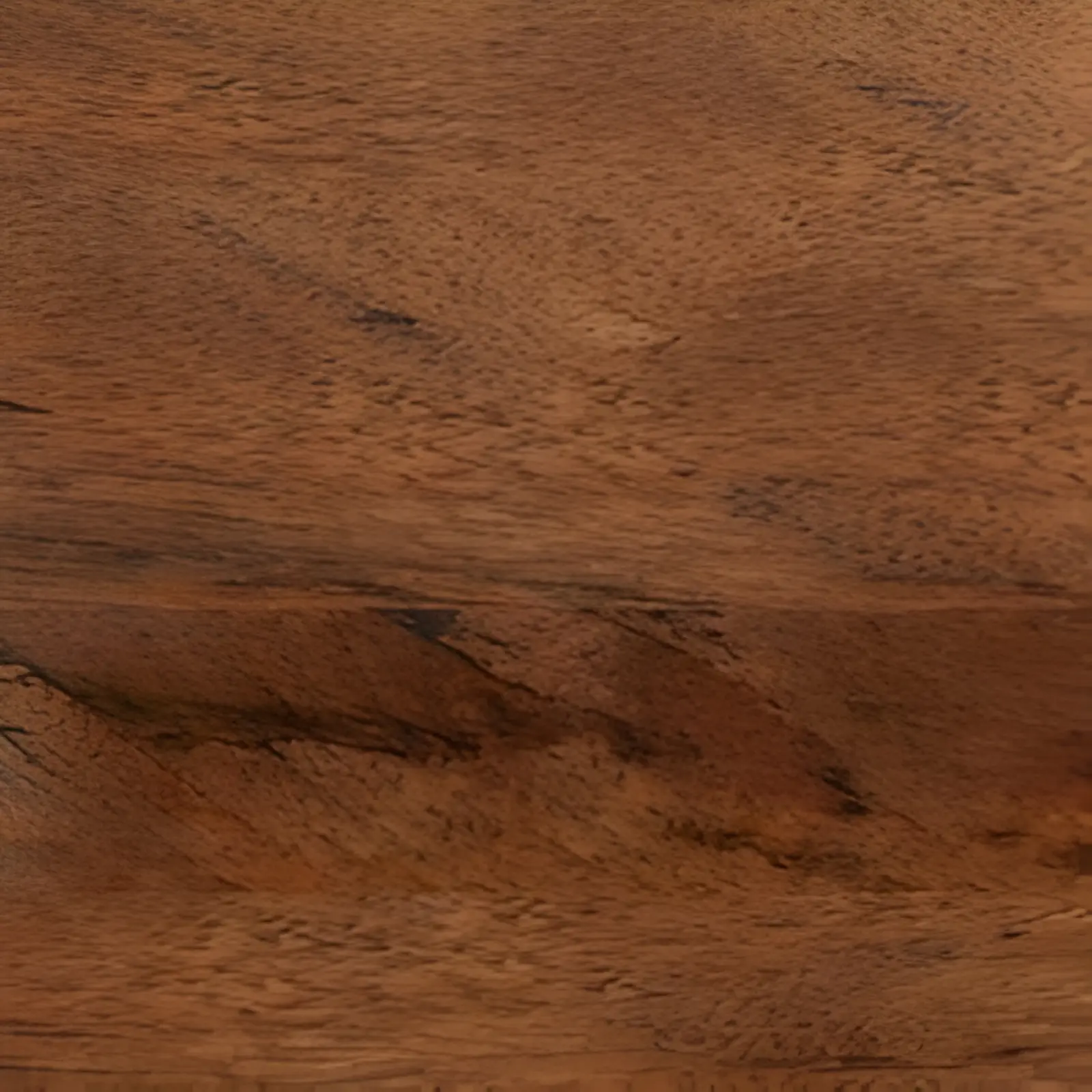
Acacia Wood
Acacia wood is an exceptionally stable and solid material, primarily because it’s classified as a relatively heavy wood compared to many other varieties. This type of wood is inherently robust due to its resistance to various external factors, having evolved to withstand varying weather conditions, including drought, cold, and wet climates. This natural resilience makes it particularly difficult for fungi to take hold. Visually, acacia is characterized by a warm caramel color that is often adorned with subtle, light silvery reflections across its natural grain. The distinguishing structure of this durable wood is marked by its noticeable elongated grain pattern.
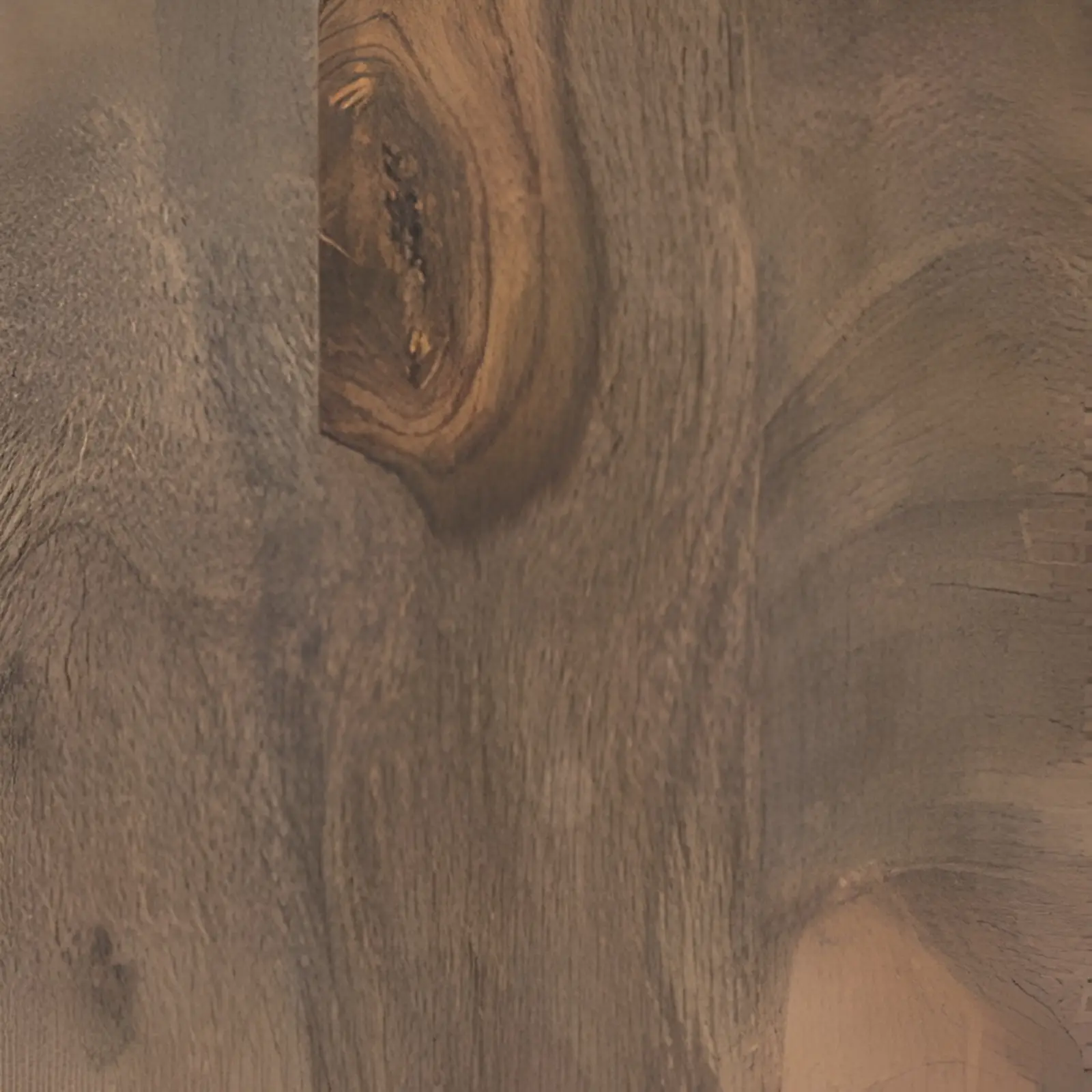
Sheesham Wood
Rosewood, widely known as sheesham in India, is a highly precious wood valued for its exceptional features, including outstanding solidity, stability, and longevity—qualities that are, unfortunately, often unfamiliar in the Western world. Few other tree species can offer wood as hard and sturdy as rosewood. Its most distinguishing feature is its unique and unparalleled grain: the structure is defined by rounded-oval lines and clearly visible grain patterns that are beautifully accentuated by naturally evident color variations, making this wood truly exceptional.

Mango Wood
Despite belonging to some of the world’s largest and most robust tree species, mango wood is surprisingly delicate and light. This fruit tree is typically harvested for timber after its limited fruit-producing lifespan has passed, giving the wood a sustainable second life, often in the creation of high-quality furniture. Mango wood generally exhibits a light tint, sometimes featuring natural brownish touches. Its structure is highly distinctive and gives it a unique character, characterized by a cracked and very rustic appearance when compared to other types of wood.